

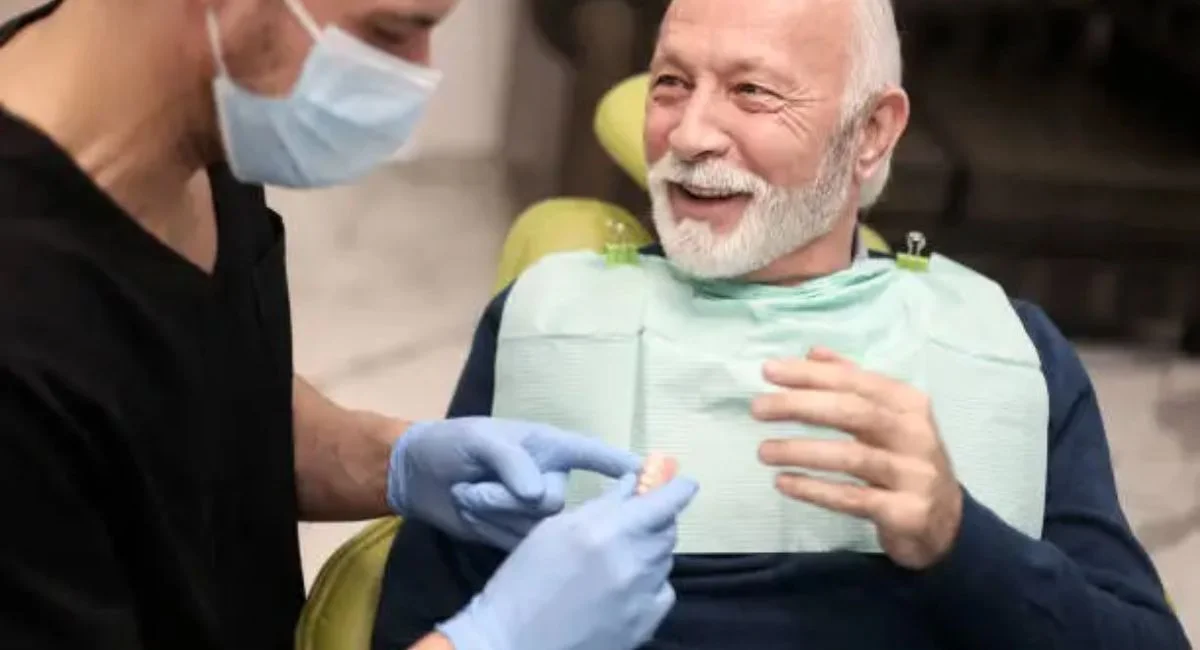
If you wear dentures or are considering them, you may have heard that they can affect the shape of your face or the fit of your mouth over time. But what’s actually happening beneath the surface? The answer lies in your jawbone and understanding this process can help you make smarter decisions about your long-term oral health.
Many patients who explore dentures in Bonney Lake, WA are surprised to learn that tooth loss sets off a natural process in the jaw that most patients are unaware of. Once teeth are gone, the bone that once held them in place begins to shrink.
This process is gradual, but its effects can be significant. In this blog, you’ll learn why this happens, how dentures interact with the jawbone, and what options may help slow or manage bone loss over time.
Why Tooth Loss Affects the Jawbone
Your teeth do more than help you chew; they constantly stimulate the jawbone through everyday activities like biting and speaking. This stimulation signals the body to maintain bone density in that area.
When a tooth is removed, that stimulation stops. The body interprets this as a sign that the bone is no longer needed. As a result, a natural process called bone resorption begins, causing the jaw to gradually shrink in both height and width.
For patients considering dentures in Bonney Lake, WA, understanding this process matters. The most significant bone changes often occur within the first 6 to 12 months after extraction, and continued bone loss can affect how well dentures fit over time.
The pace of bone loss varies from person to person based on age, overall health, and other individual factors, which is why early evaluation with your dental provider is always a smart first step.
How Traditional Dentures Interact With Jawbone
Traditional removable dentures sit on top of the gum tissue. They do not anchor into the jawbone like natural tooth roots do. This means they provide little to no stimulation to the underlying bone.
Over time, as the jawbone continues to resorb, the shape of the gum ridge changes. This is why dentures that once fit well may begin to feel loose, shift during eating, or cause sore spots on the gums. It’s a common experience and it’s directly tied to ongoing bone loss.
Wearing ill-fitting dentures can put uneven pressure on the gum tissue, leading to soreness and irritation over time. Regular dental evaluations help catch these fit issues early and reduce unnecessary discomfort.
Signs That Jawbone Loss May Be Affecting Your Dentures
Your Dentures Are Slipping
If your dentures no longer stay in place during normal activities, bone loss may have changed the contour of your ridge enough that the fit is compromised. Denture adhesives can offer temporary relief, but they don’t address the root cause.
Your Face Shape Is Changing
One visible sign of jawbone loss is a sunken or collapsed appearance around the mouth and chin. As bone volume decreases, the lower third of the face loses structural support. Many patients notice their lips appear thinner or their chin seems to protrude more than before.
Your Chewing Is Becoming Difficult
Consistent discomfort or difficulty chewing harder foods even with dentures in place may be a sign that your bite has shifted due to underlying bone changes. This can affect nutrition and overall quality of life.

Can Bone Loss Be Prevented or Slowed?
While some bone resorption after tooth loss is unavoidable, there are options that may help slow the process or address it more effectively than traditional dentures alone.
Dental Implants and Implant-Supported Dentures
Unlike traditional dentures, implants are anchored directly into the jawbone. The biting forces transmitted through implants may help support bone density over time for some patients, though results vary and the mechanism differs from that of natural teeth.
For patients exploring dentists in Bonney Lake, WA, implant-supported dentures are an option worth discussing with your provider. They combine the convenience of dentures with the stability and bone-preserving benefits of implants. Anchored to the jaw rather than resting on the gum surface, they can improve both fit and function.
Regular Denture Evaluations
Even if you’re not considering implants, routine dental evaluations are important. As the jawbone changes, your dentures should be adjusted or relined periodically. This helps maintain a proper fit and reduces uneven pressure that can worsen bone loss.
Early Action Matters
The longer bone loss is left unaddressed, the more difficult and costly it can become to restore. Patients who explore their options early including bone grafting when appropriate often have more treatment choices available to them.
Frequently Asked Questions
How fast does the jawbone shrink after tooth loss?
Bone resorption begins almost immediately after a tooth is removed. The most significant bone loss typically occurs within the first 6 to 12 months. After that, the process slows but continues gradually over the years. The exact rate varies depending on factors like age, overall health, and whether any restorative options are in place.
Will wearing dentures stop jawbone loss?
Traditional removable dentures do not stop jawbone loss. Because they sit on the gums and do not stimulate the underlying bone, the resorption process continues. Over time, this leads to changes in denture fit and facial appearance. Options like dental implant-supported dentures may help support bone density for some patients, though results vary, which may in turn help slow the process.
Can bone that has already been lost be restored?
Bone grafting may help rebuild enough bone volume to support dental implants or other restorations. However, it does not fully replace the original bone that was lost. Whether grafting is a suitable option depends on how much bone remains and the patient’s overall oral health. A dental evaluation can help determine the best path forward.
How often should I have my dentures checked?
Dental professionals generally recommend having your dentures evaluated at least once a year, even if they feel comfortable. Since bone changes happen gradually, patients often don’t notice the shift in fit until it becomes a significant problem. Regular check-ups allow for early adjustments and help monitor any changes in the jawbone or gum tissue.
Conclusion
Jawbone loss is one of the most commonly overlooked consequences of tooth loss and it’s a process that traditional dentures alone cannot stop. Understanding what’s happening beneath the surface empowers you to take a more proactive approach to your oral health.
Whether you’re newly exploring tooth replacement options or have been wearing dentures for years, it’s never too late to ask questions and consider your choices.
The team at Dental Health Group Bonney Lake is here to help you navigate those decisions with clarity and care. If you’re concerned about denture fit, facial changes, or the long-term health of your jawbone, scheduling a consultation is a great first step toward a plan that works for you.
This content is for informational purposes only and is not a substitute for professional dental advice, diagnosis, or treatment. Always consult a qualified dental provider for personalized guidance.
Sources: