

Many people lose a tooth and plan to replace it later. Life gets busy, and months can turn into years before they think about treatment again. Some people assume they have waited too long and believe dental implants are no longer an option.
The good news is that waiting several years does not automatically rule out dental implants. Many adults receive implants long after losing one or more teeth.
The key is having a complete dental examination to check your jawbone, gums, and overall oral health. Every smile is different, so treatment depends on your individual needs rather than how much time has passed.
If you are considering Dental Implants in Bonney Lake, WA, understanding what happens after tooth loss can help you make an informed decision.
Can Dental Implants Be Placed Years After Tooth Loss?
Yes, dental implants can often be placed years after a tooth has been lost. However, the answer depends on several factors, including the amount of healthy jawbone available, the condition of your gums, and your overall health.
If you are considering dental implants in Bonney Lake, WA, a comprehensive evaluation can help determine whether implant treatment is still a suitable option for your needs.
Many patients successfully receive implants several years after an extraction. Others may need additional procedures, such as bone grafting, before an implant can be placed. A dentist will use X-rays or 3D imaging to determine the safest and most appropriate treatment plan.
The length of time since losing a tooth is only one part of the evaluation. Your current oral health matters much more.
What Happens After a Tooth Is Lost?
Bone Loss Begins Soon After Tooth Extraction
Your jawbone has an important job. It supports your teeth and stays healthy through the pressure created during chewing. When a tooth is missing, that part of the jaw no longer receives regular stimulation.
As a result, the bone slowly begins to shrink. Research suggests that jawbone changes can begin soon after tooth loss and continue gradually over time. The amount of bone loss varies from person to person and depends on factors such as overall health, oral hygiene, and the location of the missing tooth.
This does not always mean implants are impossible. Many people still have enough bone to support an implant years later.
Changes in the Surrounding Teeth and Bite
Missing teeth can also affect nearby teeth. Over time, neighboring teeth may shift into the empty space, while opposing teeth can move because they no longer have contact during biting.
These changes may affect your bite, make cleaning more difficult, and increase the risk of wear on other teeth. Replacing a missing tooth can help restore balance to your smile.
Can Bone Loss Prevent Dental Implants?
When There Is Still Enough Bone
If there is enough healthy jawbone, an implant may be placed without additional procedures. Advanced imaging helps your dentist measure the height, width, and density of the bone before treatment begins.
A careful evaluation helps determine whether the implant has enough support for long-term function.
When Bone Grafting May Help
If the jawbone has become too thin or too short, bone grafting may be recommended. This procedure adds bone material to strengthen the area before implant placement.
Bone grafts are commonly used in implant dentistry and have helped many patients become candidates for treatment after experiencing bone loss. Healing times vary depending on the size of the graft and the individual’s health.
Your dentist in Bonney Lake WA will explain whether bone grafting is appropriate for your situation and discuss the expected healing process.
Factors That Determine If You’re a Good Candidate
Overall Oral Health
Healthy gums and surrounding tissues provide a good foundation for dental implants. Before treatment, your dentist will check for cavities, gum disease, and other oral health concerns.
Treating existing dental problems first helps create a healthier environment for implant placement.
Gum Health
Healthy gums are important because they support the implant throughout the healing process. If gum disease is present, it is usually treated before implant surgery.
Good oral hygiene after treatment also plays an important role in maintaining implant health.
Medical Conditions
Some medical conditions may affect healing. Diabetes, osteoporosis, certain medications, and immune system disorders may influence treatment planning.
Having one of these conditions does not automatically prevent implant treatment. Your dentist will review your medical history and may coordinate care with your physician when appropriate.
Lifestyle Habits
Smoking and tobacco use can slow healing and increase the risk of complications after implant surgery. Patients who quit or reduce smoking before treatment may improve their healing potential.
Maintaining regular dental visits and good oral hygiene also supports long-term implant success.
What Is the Treatment Process?
Comprehensive Dental Examination
The first step is a complete dental examination. Your dentist will review your medical history, examine your mouth, and discuss your treatment goals.
Digital X-rays or 3D scans provide detailed information about your jawbone and surrounding structures.
Imaging and Treatment Planning
Modern imaging allows dentists to plan implant placement with greater accuracy. The scans help identify bone quality, nearby nerves, and sinus locations before surgery.
This planning stage helps determine whether additional procedures are needed before placing the implant.
Implant Placement and Healing
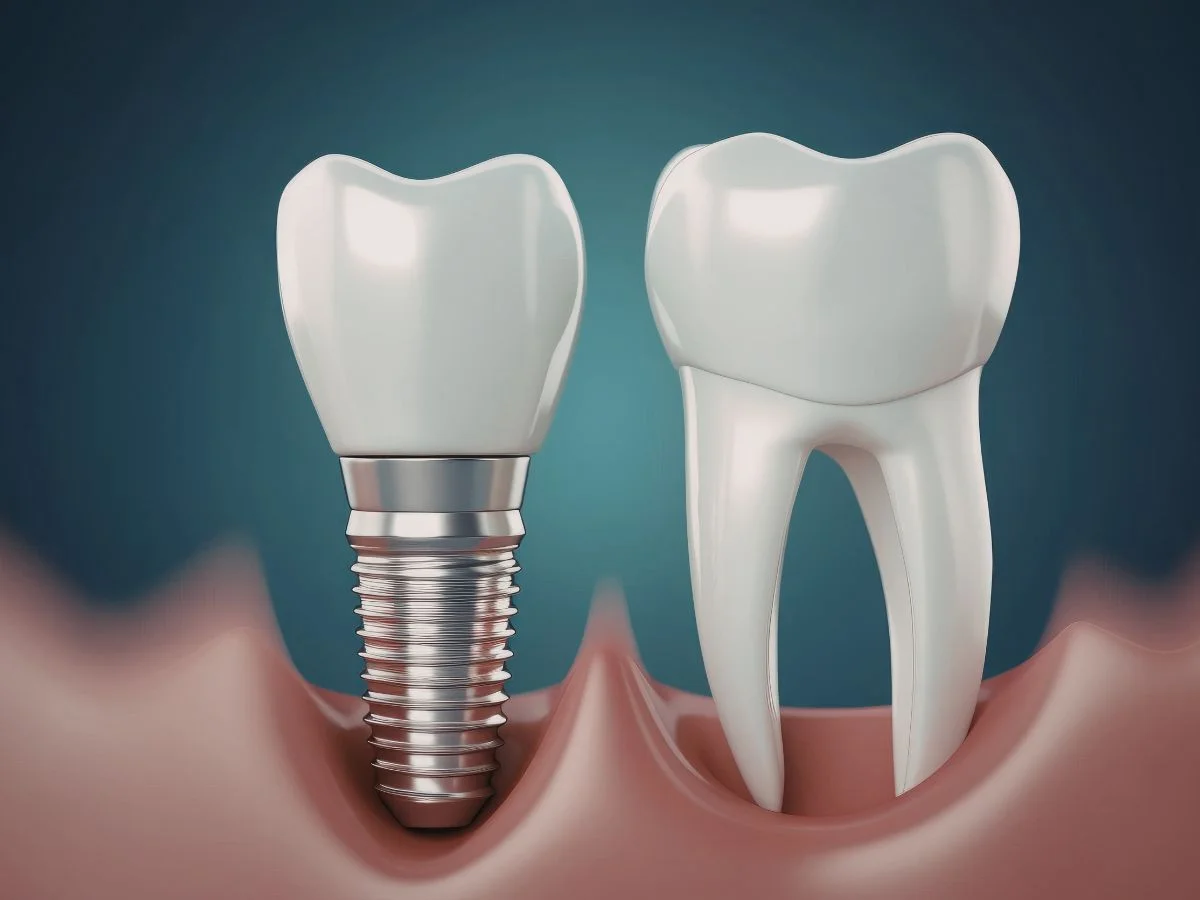
During the procedure, a titanium implant is placed into the jawbone where the missing tooth once was. Over the following months, the bone gradually heals around the implant through a natural process called osseointegration.
Healing time varies depending on the patient and whether bone grafting was required.
Final Crown Placement
After healing is complete, an abutment and custom-made dental crown are attached to the implant.
The finished restoration is designed to match the appearance and function of your natural teeth, allowing you to chew and smile with greater confidence.
Benefits of Replacing Missing Teeth Even After Many Years
Better Chewing and Speaking
Replacing missing teeth may improve your ability to chew many foods more comfortably. It may also improve speech if missing teeth have affected pronunciation. Many patients report feeling more comfortable during daily activities after treatment.
Support for Jawbone Health
Dental implants are the only tooth replacement option that replaces the missing tooth root. By transferring chewing forces into the jawbone, implants may help reduce further bone loss after placement. However, existing bone loss cannot always be reversed without additional treatment.
Improved Smile and Confidence
Many people feel self-conscious about gaps in their smile. Replacing missing teeth may improve the appearance of your smile and help some people feel more comfortable when talking, laughing, or taking photographs.
While cosmetic improvements are common, results vary depending on each person’s oral health and treatment needs.
If you are exploring dental implants a professional evaluation can determine whether treatment is possible even after several years of tooth loss.
Frequently Asked Questions
Is There an Age Limit for Dental Implants?
There is no upper age limit for dental implants. Many healthy older adults receive successful implant treatment. Your overall health and jawbone condition are generally more important than your age.
How Long Does Treatment Take?
Treatment timelines vary depending on healing, bone quality, and whether additional procedures are needed. Some patients complete treatment within several months, while others may require more time if bone grafting is part of the plan.
Does Every Patient Need Bone Grafting?
No. Some patients have enough healthy bone for implant placement without additional treatment. Others may benefit from bone grafting to improve support. Your dentist will determine this after a thorough examination.
Conclusion
Waiting years after losing a tooth does not automatically mean dental implants are no longer an option. Many patients can still receive implant treatment after a careful evaluation of their jawbone, gum health, and overall medical history.
Because every case is different, the best approach is to schedule a professional assessment to understand your available treatment options.
If you have questions about replacing missing teeth, the experienced team at Dental Health Group can help you learn whether implant treatment may be appropriate for your needs.
Sources:
- https://www.fda.gov/medical-devices/dental-devices/dental-implants-what-you-should-know
- https://pmc.ncbi.nlm.nih.gov/articles/PMC6854267/
- https://www.ncbi.nlm.nih.gov/books/NBK470448/
- https://www.fda.gov/regulatory-information/search-fda-guidance-documents/endosseous-dental-implants-and-endosseous-dental-implant-abutments-performance-criteria-safety-and