

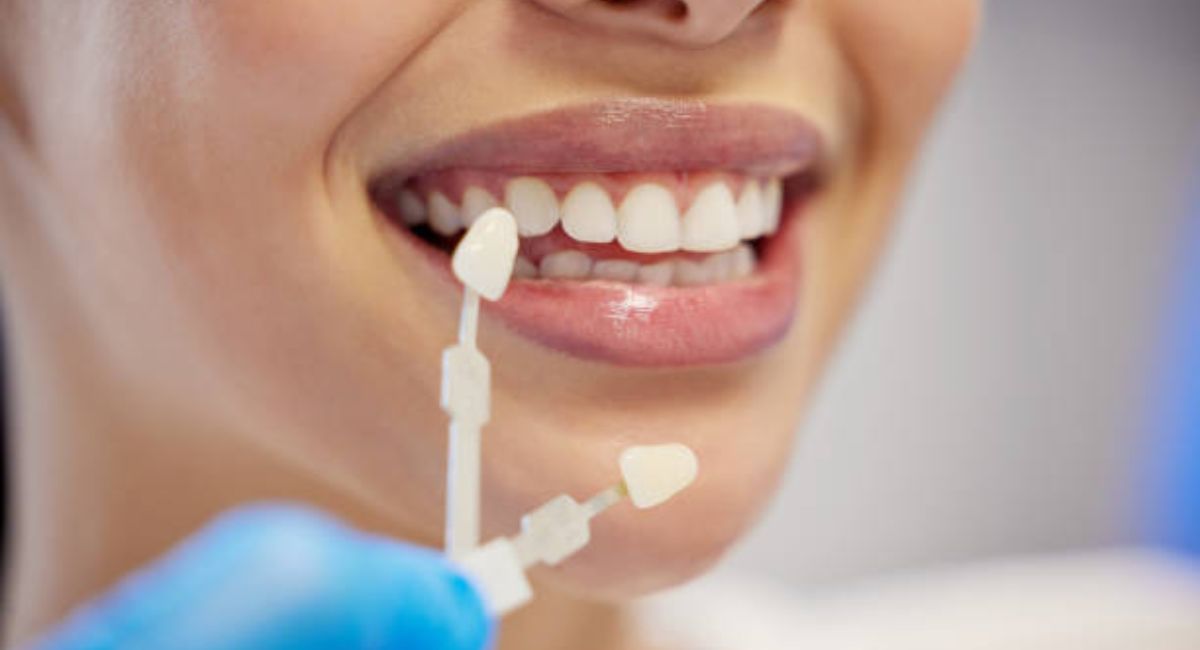
Have you ever wondered what actually happens when you get dental veneers? If you’ve been considering dental veneers in Bonney Lake, WA, you’re not alone. Veneers are a commonly requested cosmetic dental treatment for patients looking to improve their smile.
But for many people, the biggest question isn’t whether veneers are right for them. It’s what the process actually looks like. How many appointments will it take? Will it be uncomfortable? What happens to your real teeth?
This guide walks you through every step of the veneer process from your very first consultation all the way to your final bonding appointment. You’ll learn what tooth preparation involves, what to expect while wearing temporary veneers, and how the permanent veneers are placed and secured.
Whether you’re just starting to explore your options or you’re almost ready to move forward, understanding each step can help you feel informed, confident, and fully prepared before you walk through the door.
What Are Dental Veneers and Who Are They For?
Dental veneers are thin, custom-made shells typically made from porcelain or composite resin that are bonded to the front surface of your teeth. They’re designed to improve the look of teeth that are chipped, stained, slightly misaligned, or uneven in size or shape.
Dental veneers in Bonney Lake may be an option for patients who have:
- Discoloration that doesn’t respond well to whitening treatments
- Minor chips or cracks on visible teeth
- Small gaps between front teeth
- Teeth that appear shorter than desired
A dentist will evaluate your overall oral health before recommending veneers. They’re typically best suited for patients with healthy gums and teeth that don’t require significant structural repair.
Step 1: The Initial Consultation
The veneer process always starts with a consultation. During this visit, your dentist will examine your teeth, take X-rays, and discuss your smile goals. This is also the time to ask questions and share what you’d like to change about your smile.
Your dentist will check for any underlying issues such as gum disease or decay that need to be treated before moving forward. Cosmetic work like veneers is typically completed only after your mouth is in good health.
Some offices use digital imaging or a “smile preview” tool that gives you a visual idea of what your smile might look like with veneers. This can be a helpful part of the planning process.
Step 2: Tooth Preparation
Once you’re a confirmed candidate, your next appointment involves preparing the teeth. This is one of the most important steps in the veneer process.
Your dentist will remove a small amount of enamel from the surface of each tooth receiving a veneer, usually about half a millimeter. This creates space for the veneer to sit flush with your surrounding teeth so it looks natural.
Is Tooth Preparation Permanent?
Yes, enamel removal is permanent, which is why this decision requires careful consideration. Because enamel removal is permanent, prepared teeth will always need to be covered by a veneer or other restoration going forward. Local anesthesia is commonly used during this step to help keep patients comfortable.
After preparation, your dentist will take impressions of your teeth. These impressions are sent to a dental lab where your custom veneers are crafted, a process that typically takes one to two weeks.
Step 3: Wearing Temporary Veneers
While your permanent veneers are being made, your dentist may place temporary veneers to protect your prepared teeth and give you a preview of your new smile.
Temporaries are not as durable as permanent veneers, so you’ll want to be careful with hard or sticky foods during this period. It’s also normal for temporary veneers to feel slightly different from your natural teeth, which is common during the temporary phase.
Step 4: Veneer Placement and Bonding
When your permanent veneers are ready, you’ll return for your placement appointment, the final step in your veneer treatment process.
Your dentist in Bonney Lake will first place each veneer temporarily to check the fit, shape, and color. Adjustments can still be made at this stage to ensure everything looks and feels right. Once both you and your dentist are satisfied, the bonding process begins.
How Are Veneers Bonded to Teeth?
The tooth surface is cleaned, roughened slightly with a conditioning gel, and then a special dental cement is applied. The veneer is carefully positioned and hardened in place using a curing light. Excess cement is removed, and your bite is checked to make sure everything feels comfortable and aligned.
The full placement appointment typically takes one to two hours, depending on how many veneers are being placed.
How Long Do Veneers Last?
Porcelain veneers often last many years, although longevity varies from person to person depending on the type of veneer used and how well it is maintained. Your dentist can help you understand what to expect based on your specific treatment plan.
Good oral hygiene habits brushing twice daily, flossing, and attending regular dental check-ups can help extend the life of your veneers. It’s also a good idea to avoid habits like biting nails, chewing on hard objects, or grinding your teeth, as these can cause veneers to chip or wear down over time.
FAQs:
Are dental veneers painful to get?
Most patients report minimal discomfort during the veneer procedure. Local anesthesia is typically used during the tooth preparation step, so most patients remain comfortable during this part of the procedure, although experiences may vary. Some patients experience mild tooth sensitivity after preparation, but this usually settles within a few days.
How many teeth can be treated with veneers at once?
There’s no set limit, but veneers are most commonly placed on the upper front teeth, often four to eight teeth depending on your smile goals and natural tooth symmetry. Your dentist will help you determine the right number during your consultation.
Can veneers be whitened?
Porcelain veneers do not respond to traditional whitening treatments. The shade of your veneers is selected before placement, so it’s important to discuss your desired color with your dentist ahead of time. If you’re planning to whiten your natural teeth, it’s generally recommended to do so before getting veneers so the shades can be matched.
What happens if a veneer chips or falls off?
Veneers can sometimes chip or come loose over time, particularly if subjected to excessive force. In most cases, a chipped veneer can be repaired, and a loose veneer can be re-bonded. It’s important to contact your dental office promptly if a veneer is damaged rather than leaving it unaddressed.
Conclusion
Understanding each stage of the veneer process from consultation to bonding can make the entire experience feel far less intimidating. Veneers are a carefully planned, multi-step procedure, and knowing what to expect at every appointment helps you arrive prepared and confident.
If you’re thinking about improving your smile, the team at Dental Health Group Bonney Lake is here to help. During your consultation, your dentist will walk you through your treatment options, discuss what results may be achievable for your smile, and cover treatment costs and any available financing options to help you plan ahead.
Schedule a consultation today to explore whether veneers may be a good fit for your smile goals and overall dental health.
Sources: