

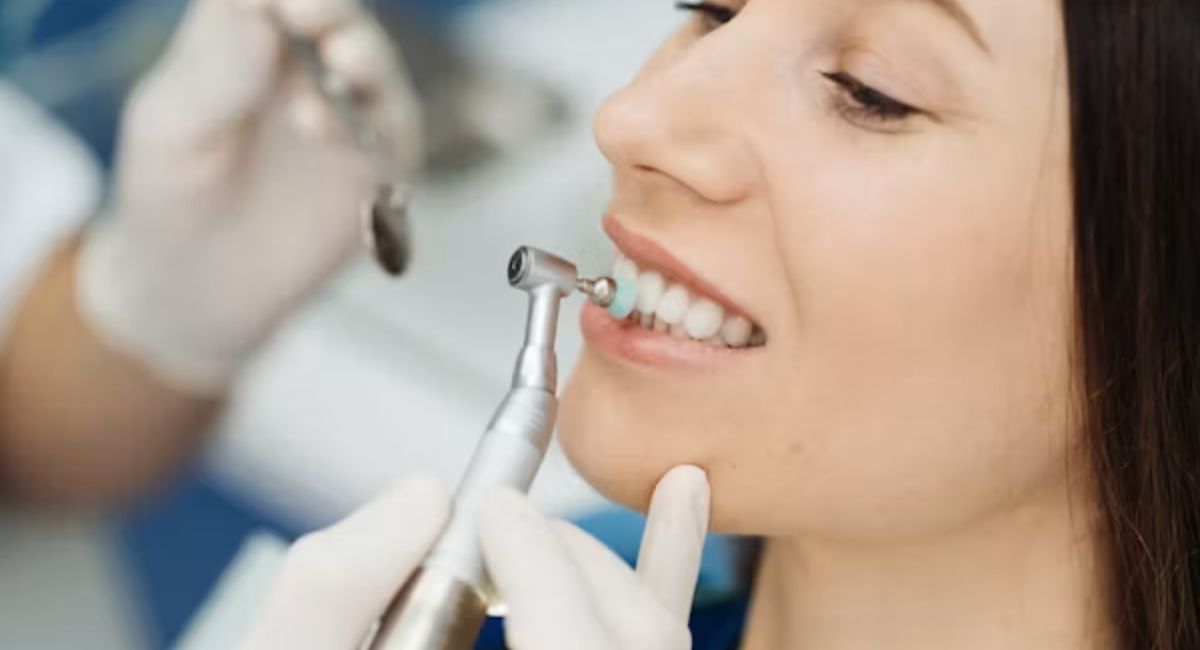
If you’ve ever wondered why some veneers look completely natural while others stand out, the answer lies in the matching process. Getting dental veneers in Bonney Lake, WA involves much more than simply placing a thin shell over your tooth.
A skilled dental team takes careful steps to match the shape, color, and translucency of your surrounding teeth so the result blends in naturally rather than looking artificial.
Whether you’re considering veneers to cover a chipped tooth, close a gap, or improve overall smile aesthetics, understanding how the matching process works can help you feel more confident going into your consultation. This guide breaks down the key steps dental professionals use to ensure your veneers look like a natural part of your smile.
Why Shade Matching Is the Foundation of Natural-Looking Veneers
Color matching is one of the most critical steps in the veneer process. Teeth are not simply white they contain layers with different levels of brightness, warmth, and translucency. Dental veneers in Bonney Lake that don’t account for these nuances can look flat or overly bright next to natural teeth.
Dentists use a shade guide, a set of standardized tooth color samples to find the closest match to your natural enamel. This is typically done under natural or controlled lighting conditions, since certain artificial lights can distort how colors appear.
In many modern dental offices, digital shade-matching technology may be used to assist with color selection by providing additional measurements alongside clinical evaluation. This step is especially important when only one or a few veneers are being placed, since they must blend naturally with the adjacent natural teeth.
How Shape and Size Are Customized for Your Smile
Beyond color, the shape and size of each veneer must complement your unique facial features and existing teeth. There’s no universal veneer shape. What looks right depends on your face shape, lip line, gum line, and the proportions of your natural teeth.
During the planning stage, your dentist will assess how your teeth align when you smile and speak. They may take photographs, impressions, or digital scans of your teeth to help design a veneer that fits precisely.
What Is a Smile Design?
Smile design is a planning process that maps out the ideal proportions for your veneers before any work begins. Your dentist may use digital imaging software to show you a preview of the potential outcome, allowing adjustments to be made before the final veneer is fabricated. This step helps ensure the final result meets your expectations while fitting naturally within your smile.

The Role of Translucency in Matching Veneers to Natural Teeth
One reason veneers may appear natural is that they can be designed to mimic some of the light-transmitting properties of enamel. Natural teeth are not completely opaque; they allow some light to pass through, which gives them a lifelike quality.
Dental porcelain used for veneers can be layered and glazed to replicate this effect. Dental lab technicians who craft your veneers are trained to build in the right amount of translucency based on the patient’s natural tooth characteristics.
This is why choosing a dental team that works with an experienced lab matters. The communication between the dentist and the dental lab technician plays a significant role in the final appearance of the veneer.
How Dental Veneers Are Customized at the Lab
Once your dentist captures accurate impressions or digital scans, these are sent to a dental laboratory where your veneers are custom fabricated. The lab uses the shade, shape, and size specifications provided by your dentist to craft each veneer individually.
Porcelain veneers are the most commonly used material for their natural appearance and ability to reflect light similarly to enamel. Composite resin veneers can sometimes be shaped directly in the mouth by the dentist.
After fabrication, veneers are returned to the dental office where they are tried before final bonding. At this stage, your dentist in Bonney Lake checks the fit, color, and bite. Minor adjustments can still be made at this point to ensure everything looks and feels correct before permanent placement.
What Happens If the Color Needs Adjusting?
It’s not uncommon for minor color corrections to be needed before final bonding. Dentists have access to tinting agents and bonding cements in various shades that can slightly warm or cool the appearance of the veneer during placement.
This final step is where attention to detail makes a meaningful difference. A small adjustment to the bonding cement shade can help a veneer that was slightly off blend more naturally with surrounding teeth.
If the veneer doesn’t meet expectations even after adjustments, the lab can remake it. This is another reason why thorough planning upfront including proper shade selection and digital previews helps reduce the need for remakes.
Frequently Asked Questions
Can veneers be made to match just one tooth?
Yes, veneers can be fabricated to match a single tooth. This requires precise shade matching and careful attention to the shape and translucency of the tooth being treated. Because no two teeth are exactly alike, your dental team will assess the neighboring teeth closely to create a veneer that blends in rather than stands out.
Will my veneers look too white or fake?
When properly matched, veneers should not look noticeably different from your natural teeth. The goal is a result that enhances your smile without appearing artificial. If you prefer a whiter appearance, your dentist can help you select a shade that still looks realistic within the context of your skin tone and facial features.
How long does the matching and fabrication process take?
Many veneer treatments are completed in two appointments, although timelines can vary depending on individual circumstances. The first appointment involves preparation and taking impressions or scans. These are sent to the lab, and during the waiting period, temporary veneers may be placed. The second appointment is for final fitting and bonding.
Does teeth whitening affect veneer color matching?
Yes, it can. Veneers do not respond to whitening treatments the way natural enamel does. For this reason, if you are planning to whiten your teeth, it is generally recommended to do so before your veneers are fabricated. This allows your dentist to match the veneer to your desired whitened shade.
Conclusion
During your consultation, your dentist will evaluate your oral health and discuss whether veneers are an appropriate option for your individual needs.
Matching veneers to natural teeth is a detailed, multi-step process that involves color analysis, shape customization, and careful lab craftsmanship.
Successful veneer treatment often depends on thorough planning, communication with your dental team, and individual treatment factors. With proper care and regular dental visits, veneers can last for many years, depending on the material used and individual circumstances.
Veneer costs can vary based on the material chosen and the number of teeth involved. Your dental team can walk you through options during your consultation. If you’re thinking about improving your smile, the team at Dental Health Group Bonney Lake is here to walk you through your options and help you understand what to expect every step of the way. Schedule a consultation to learn whether veneers may be an appropriate option for your goals and oral health needs.
Sources: