

You wake up tired even after a full night of sleep. You snore, breathe through your mouth, or have been told you stop breathing during the night. These are not just nuisances. They can be signs that your airway is not functioning the way it should.
Airway dentistry is a field that focuses on the relationship between the oral structures, the teeth, jaw, tongue, and soft tissues, and the quality of breathing particularly during sleep. For patients in Bonney Lake, WA who have struggled to find answers for sleep and breathing concerns, airway dentistry offers a dental focused perspective on what may be contributing to the problem.
This post explains what airway dentistry involves, what conditions it addresses, and how the evaluation and treatment process works.
What Is Airway Dentistry?
Airway dentistry looks at how the anatomy and function of the mouth, jaw, and throat affect the ability to breathe freely and consistently both during the day and at night.
The position of the jaw, the size of the tongue relative to the airway, and muscle habits such as mouth breathing all influence how open or restricted the airway is. Learning more about airway dentistry in Bonney Lake can help you understand how these factors are evaluated and addressed.
A dentist trained in airway dentistry evaluates these factors and works alongside medical providers such as sleep physicians or ENT specialists to address breathing concerns from a dental standpoint.
Conditions That Airway Dentistry May Help Address
Obstructive Sleep Apnea
Obstructive sleep apnea occurs when the soft tissues of the throat collapse and block the airway during sleep, causing repeated interruptions in breathing. It is associated with snoring, gasping during sleep, excessive daytime fatigue, and in the long term, increased cardiovascular risk.
Airway dentistry can play a role in the management of mild to moderate sleep apnea through oral appliance therapy. This is a custom device worn during sleep that repositions the jaw to keep the airway open.
Mouth Breathing
Mouth breathing is a common habit that can develop as a result of nasal congestion, allergies, enlarged tonsils or adenoids, or learned muscle patterns. Over time, chronic mouth breathing can affect how the jaw and teeth develop, particularly in children.
The Airway dentistry addresses the oral and muscular contributors to mouth breathing through evaluation, referrals where needed, and in some cases myofunctional therapy to support a transition to more consistent nasal breathing.
Snoring
Snoring is caused by the vibration of soft tissues in the throat as air passes through a partially narrowed airway. While not always a sign of sleep apnea, persistent snoring can disrupt sleep quality for both the patient and their partner.
Oral appliances designed to reposition the lower jaw and tongue can help reduce snoring for some patients by increasing the space available in the back of the throat during sleep.
Upper Airway Resistance
Some patients experience a less severe form of airway restriction during sleep that does not fully meet the criteria for sleep apnea but still affects the quality and depth of sleep. This is sometimes referred to as upper airway resistance syndrome.
Airway dentistry evaluation can help identify whether oral structures are contributing to these symptoms and whether dental intervention is appropriate.
What an Airway Dentistry Evaluation Involves
The evaluation begins with a thorough review of your sleep related symptoms, breathing habits, and any relevant medical history including prior sleep studies if available.
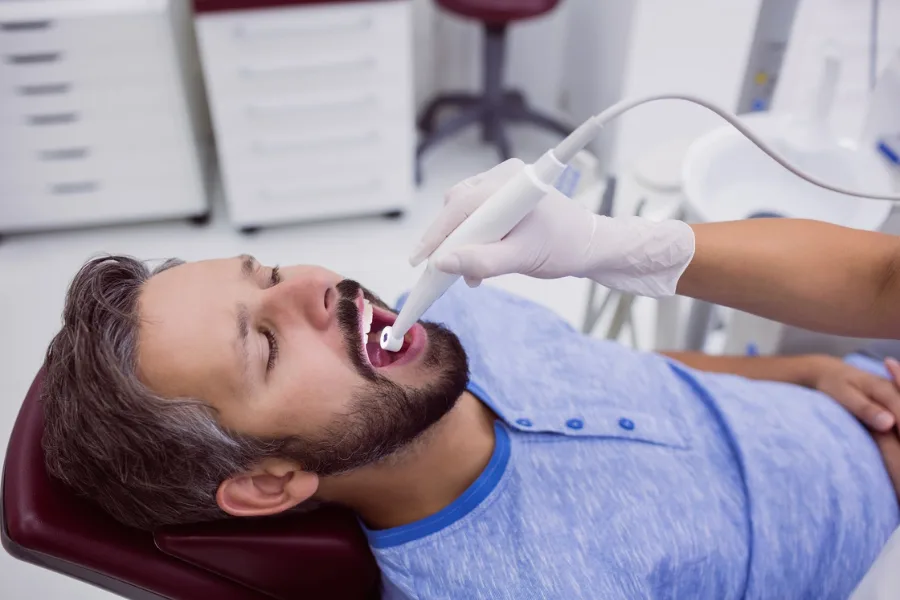
Your dentist will examine the oral structures including the size and position of the tongue, the dimensions of the jaw, the condition of the soft palate, and any signs of mouth breathing or grinding that may point to airway issues during sleep.
In some cases, photographs, X-rays, or referrals for a formal sleep study are part of the evaluation process. The dentist coordinates with your medical team to ensure any treatment approach is appropriate and properly supervised.
Dental Treatment Options Used in Airway Dentistry
Oral Appliance Therapy
A custom oral appliance is one of the primary dental tools used in airway dentistry. It is worn during sleep and works by gently advancing the lower jaw forward, which increases the space at the back of the throat and reduces the likelihood of airway collapse.
Oral appliances are generally well tolerated and are a common alternative for patients who have been prescribed a CPAP machine but struggle to use it consistently.
Myofunctional Therapy
Myofunctional therapy addresses the muscle habits that contribute to airway problems, including low tongue posture, mouth breathing, and incorrect swallowing. Strengthening and retraining these muscles can support a more open and functional airway over time.
This approach is particularly relevant for children whose airway concerns are connected to developmental muscle patterns that can be addressed while growth is still occurring.
Coordination With Medical Providers
Airway dentistry does not operate in isolation.When a sleep study or medical consultation is indicated, your dentist in Bonney Lake will make appropriate referrals to ensure care is well coordinated across providers.
Frequently Asked Questions
Is airway dentistry the same as sleep dentistry? The two terms are related but not identical. Sleep dentistry sometimes refers to the use of sedation during dental procedures. Airway dentistry specifically focuses on evaluating and addressing oral factors that affect breathing and sleep quality. Some practices use the terms together because both involve the relationship between dental care and nighttime wellbeing.
Do I need a sleep study before seeing an airway dentist? Not always. Some patients come in for an airway evaluation first and are then referred for a sleep study based on what the assessment reveals. Others come in with a prior sleep apnea diagnosis and are seeking a dental solution such as an oral appliance. Your dentist will advise on the appropriate sequence for your situation.
Can children benefit from airway dentistry? Yes. Children who show signs of mouth breathing, snoring, restless sleep, or crowded teeth may benefit from an airway focused evaluation. Addressing airway concerns early during development may support better growth outcomes and healthier breathing habits over the long term.
How is an oral appliance different from a night guard? A night guard is designed to protect the teeth from the forces of grinding. An oral appliance for sleep apnea or snoring is designed to reposition the jaw to keep the airway open during sleep. While both are worn at night, they serve different clinical purposes and are not interchangeable.
Conclusion
Airway dentistry provides a dental perspective on breathing and sleep issues that are often overlooked or attributed solely to medical causes. By evaluating the role of the jaw, tongue, and oral structures in airway function, a trained dental provider can offer solutions that address the problem at its source.
If you are struggling with sleep quality, snoring, or breathing concerns in Bonney Lake, WA, scheduling an evaluation at Dental Health Group is a meaningful step toward understanding whether your oral anatomy is contributing to the issue and what can be done about it.